Compliance Overview for Oregon Medical Offices
Medical office cleaning is governed by a layered set of regulations that go far beyond standard commercial cleaning. Oregon medical offices must comply with federal OSHA standards (29 CFR 1910.1030 for bloodborne pathogens), CDC infection control guidelines, Oregon OSHA workplace safety rules (OAR 437), and any specialty-specific requirements from accrediting bodies.
The consequences of non-compliance are serious. OSHA fines for bloodborne pathogen violations start at $16,131 per violation and can reach $161,323 for willful violations. Beyond regulatory penalties, inadequate cleaning in a medical setting creates real risk of healthcare-associated infections that can harm patients and expose your practice to liability. Medical offices in Portland, Eugene, Salem, and across Oregon need cleaning protocols that are documented, consistent, and defensible.
OSHA Bloodborne Pathogen Requirements
OSHA's Bloodborne Pathogen Standard requires every medical office to have a written Exposure Control Plan that includes cleaning and decontamination procedures. Key requirements that affect cleaning include:
- Work surfaces must be decontaminated after contact with blood or potentially infectious materials, and at the end of each shift if the surface may have been contaminated.
- EPA-registered hospital-grade disinfectants must be used on contaminated surfaces. Household cleaners are not acceptable.
- Contaminated sharps must be placed in puncture-resistant, labeled containers immediately after use. Cleaning staff must never reach into sharps containers.
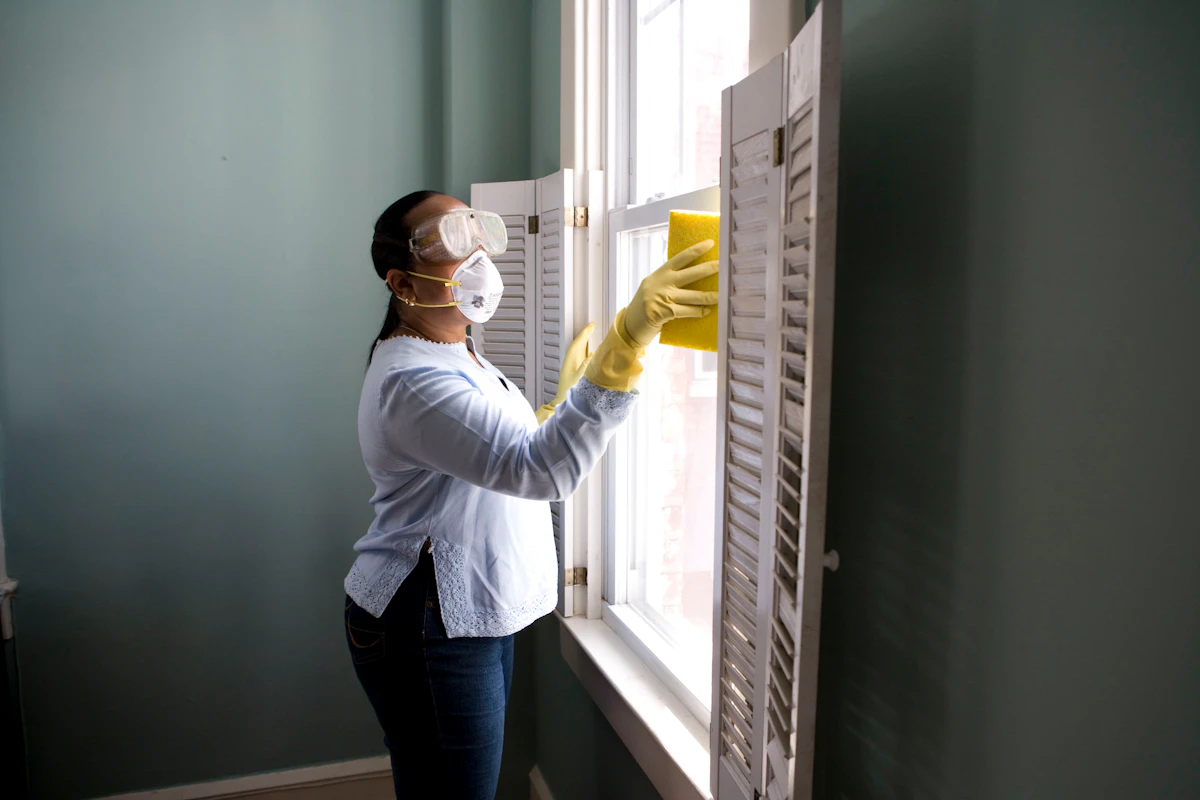
- Personal protective equipment (PPE) — gloves at minimum, with gowns, face shields, or masks when splash risk exists — must be provided to all cleaning personnel.
- Training — All employees who may contact blood or infectious materials, including cleaning staff, must receive annual bloodborne pathogen training with documentation.
Oregon OSHA enforces these requirements through workplace inspections. Having documented cleaning procedures and training records is your first line of defense during an inspection.
The Cleaning Hierarchy: Clean, Disinfect, Sterilize
Medical cleaning uses a three-tier system based on the Spaulding Classification, which categorizes items and surfaces by infection risk.
- Cleaning (non-critical surfaces) — Floors, walls, countertops, and furniture that do not contact mucous membranes or broken skin. Standard cleaning with detergent and water is sufficient for these surfaces, followed by a low-level disinfectant.
- Disinfection (semi-critical surfaces) — Surfaces that contact mucous membranes or non-intact skin, such as exam tables, blood pressure cuffs, and diagnostic equipment housings. These require intermediate-level disinfection with EPA-registered hospital-grade products.
- Sterilization (critical items) — Items that enter sterile tissue or the vascular system, such as surgical instruments. Sterilization is handled by clinical staff using autoclaves, not by cleaning personnel.
Understanding which tier applies to each surface in your office determines the products, dwell times, and procedures required.
Daily Cleaning Protocols by Area
Waiting Room and Reception
- Disinfect all seating surfaces, armrests, and side tables
- Wipe down check-in counter, pens, clipboards, and payment terminals
- Clean glass partitions and sneeze guards
- Empty trash cans (regular waste only — no biohazard waste in public areas)
- Vacuum carpet or mop hard floors with hospital-grade floor cleaner
- Disinfect door handles, light switches, and elevator buttons
Clinical Areas
- Disinfect all exam tables and patient seating between patients (see exam room turnover below)
- Clean and disinfect sinks, faucets, and countertops
- Wipe down cabinets, drawer pulls, and equipment controls
- Mop floors with hospital-grade disinfectant — pay attention to areas under and around exam tables
- Restock hand sanitizer dispensers and glove boxes
Restrooms
- Scrub and disinfect all fixtures with hospital-grade disinfectant
- Restock supplies including soap, paper products, and seat covers
- Mop floors and disinfect all touchpoints
- Clean and disinfect grab bars and handrails (ADA fixtures)
For an overview of how medical cleaning compares to standard commercial cleaning, see our commercial office cleaning checklist.
Exam Room Turnover Procedures
Exam room turnover between patients is one of the most critical cleaning tasks in a medical office. Every surface the patient may have contacted must be disinfected before the next patient enters.
Standard Turnover Checklist
- Replace exam table paper or disinfect the table surface if no paper was used
- Wipe exam table, stirrups, and any attached equipment with intermediate-level disinfectant
- Disinfect the stool or chair used by the provider
- Wipe down the light handle, cabinet handles, and any touched surfaces
- Discard used supplies and replace as needed
- Allow disinfectant to air dry for the full contact time listed on the product label — typically one to ten minutes depending on product
After Procedures Involving Blood or Body Fluids
- Don appropriate PPE before entering the room
- Contain any visible blood or fluid with absorbent material and approved disinfectant
- Dispose of contaminated materials in biohazard waste containers
- Clean the area thoroughly, then apply disinfectant at the labeled contact time
- Remove and dispose of PPE properly
- Perform hand hygiene immediately after removing gloves
Biohazard Waste Handling
Oregon regulates infectious waste under OAR 333-056, which defines what qualifies as infectious waste and how it must be stored, transported, and disposed of.
- Sharps — Place in FDA-cleared, puncture-resistant sharps containers. When three-quarters full, seal and arrange pickup by a licensed medical waste hauler.
- Blood-soaked materials — Items saturated with blood (not just lightly stained) go in red biohazard bags inside rigid, leak-proof containers.
- Pathological waste — Tissue specimens and similar materials require special handling and are typically managed by clinical staff.
Regular trash, recyclables, and pharmaceutical waste each have their own handling requirements. Never mix biohazard waste with regular trash. Oregon medical waste haulers serve Portland, Eugene, Salem, Bend, and most communities along the I-5 corridor.
Hiring a Medical Cleaning Service
Medical office cleaning requires specialized training and products that general janitorial services may not provide. When evaluating a commercial cleaning provider for a medical facility, look for:
- Documented bloodborne pathogen training for all staff
- Use of EPA-registered hospital-grade disinfectants
- Experience with medical and dental offices specifically
- Liability insurance that covers healthcare facility cleaning
- Willingness to follow your Exposure Control Plan and sign a Business Associate Agreement if they will access areas with PHI (protected health information)
- Documented cleaning logs that you can review and keep for compliance records
Professional medical cleaning services in Oregon typically cost $0.20 to $0.50 per square foot, which is higher than standard office cleaning due to the specialized products, training, and compliance requirements involved. For more on pricing, see our cleaning cost guide.
Frequently Asked Questions
Can regular cleaning staff clean a medical office?
Only if they have received bloodborne pathogen training, have access to appropriate PPE, and use EPA-registered hospital-grade disinfectants. Untrained staff using household products do not meet OSHA or Oregon compliance requirements.
How often should medical offices be deep cleaned?
Daily cleaning of all clinical and patient areas is mandatory. Deep cleaning — including carpet extraction, wall washing, and vent cleaning — should be done monthly or quarterly depending on patient volume and specialty. High-traffic practices like urgent care may need more frequent deep cleaning.
What products are approved for medical office disinfection?
The EPA maintains List N of registered antimicrobial products for use in healthcare settings. Look for products with an EPA registration number and claims against healthcare-relevant pathogens including MRSA, C. diff, and norovirus. Always follow the manufacturer's instructions for dilution and contact time.
Do dental offices have different cleaning requirements?
Dental offices follow additional guidelines from the CDC's Guidelines for Infection Control in Dental Health-Care Settings. Operatory cleaning involves more extensive disinfection due to aerosol generation during procedures. Surface barriers (plastic wrap on controls and light handles) are commonly used to simplify turnover between patients.