Why Retail Cleaning Impacts Sales
Retail stores in Portland, Eugene, Salem, and Bend compete for foot traffic, and cleanliness is one of the first things customers notice. A survey by P&G Professional found that 64 percent of consumers have left a store because it was dirty, and 91 percent said store cleanliness influences their decision to return. For Oregon retailers, maintaining a clean store is not just about aesthetics — it directly affects revenue.
Oregon OSHA also requires retail employers to maintain clean and orderly workplaces under general workplace safety standards (OAR 437-001). Cluttered aisles, wet floors without signage, and unsanitary restrooms can all result in citations during inspections or after customer or employee injury claims.
Daily Opening Cleaning Routine
Completing cleaning tasks before doors open ensures customers walk into a polished environment every day.
- Entrance and storefront — Clean front doors and glass, sweep sidewalk area, and remove any overnight debris. First impressions start at the door.
- Floors — Vacuum all carpeted areas and dust mop or damp mop hard floors. Focus on high-traffic paths from the entrance to checkout.
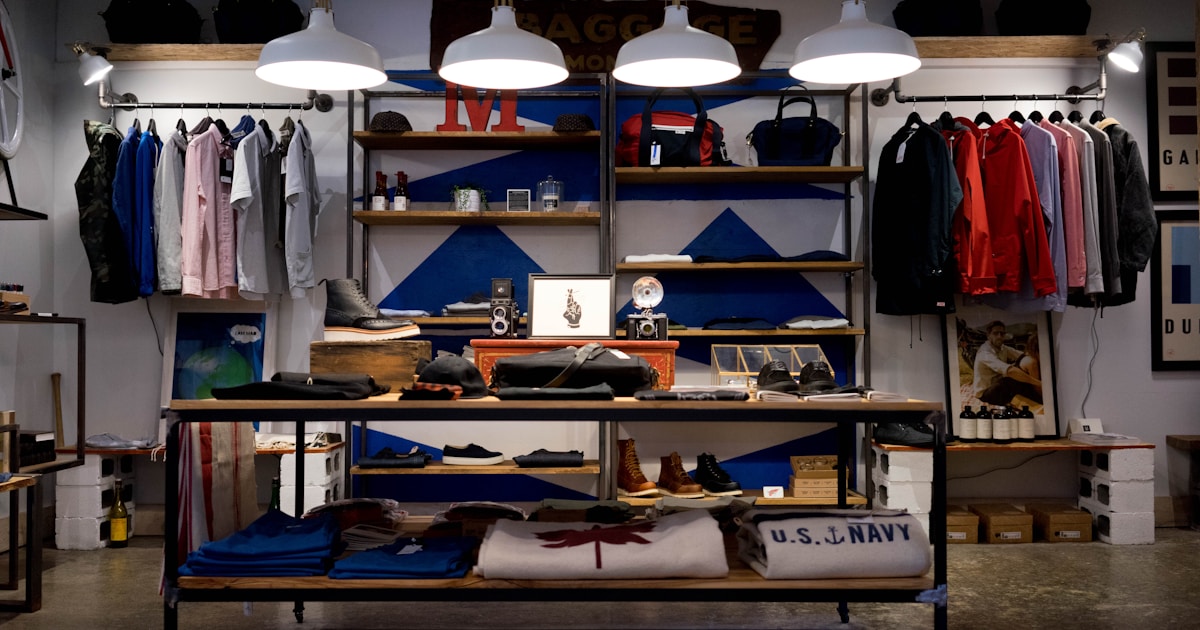
- Displays and shelving — Dust product shelves, straighten merchandise, and wipe down display fixtures. Clean any glass display cases.
- Checkout counter — Disinfect the counter, PIN pad, and any shared pens or styluses. Restock bags and receipt paper.
- Restrooms — Full cleaning and restocking before opening. Check that all fixtures work properly.
- Mirrors — Clean all mirrors in the store, especially near fitting rooms and cosmetics areas.
Cleaning During Business Hours
Maintaining cleanliness while customers are shopping requires ongoing attention without being disruptive.
- Spot clean spills immediately — Place wet floor signs right away. Oregon premises liability law holds store owners responsible for hazards they knew about or should have discovered through reasonable inspection.
- Restroom checks every two hours — Restock supplies, wipe counters, spot mop, and address any issues. Log each check with time and initials.
- Fitting room reset after each use — Return merchandise to the floor, check for tags or hangers on the floor, and wipe seating if applicable.
- Trash monitoring — Empty bins before they overflow. Overflowing trash near the entrance or checkout sends the wrong message.
- Touch point disinfection — Wipe door handles, cart handles, and checkout surfaces at least every two hours during busy periods.
Creating a cleaning schedule that assigns specific tasks to specific time slots keeps your team accountable throughout the day.
End-of-Day Closing Routine
The closing cleaning routine sets the stage for the next day's opening and addresses everything that accumulated during business hours.
- Vacuum all carpeted areas thoroughly, including under display tables and racks
- Mop all hard floors with appropriate cleaner — see floor care section below
- Empty all trash cans and replace liners
- Disinfect all checkout surfaces, PIN pads, and shared equipment
- Clean and restock restrooms for the final time
- Wipe down all door handles, light switches, and frequently touched surfaces
- Clean break room and employee areas
- Lock up cleaning supplies in a designated storage area away from merchandise
Fitting Room Maintenance
Fitting rooms see heavy use and require dedicated attention. A dirty or disorganized fitting room discourages purchases and increases theft.
- Between customers — Remove all merchandise left behind, rehang or refold items, and check for damage or removed tags.
- Daily — Disinfect hooks, benches, mirrors, door handles, and light switches. Vacuum or mop floors. Check that lighting works properly.
- Weekly — Wipe down walls, clean any scuff marks, and inspect door locks and latches for proper function.
Limit the number of items allowed in fitting rooms and station an employee nearby during busy periods. This improves cleanliness and reduces loss prevention issues simultaneously.
Floor Care by Surface Type
Retail stores often have multiple floor types, each requiring different care. Using the wrong product or method can damage surfaces and create costly repairs.
- Polished concrete — Common in modern Oregon retail spaces. Dust mop daily, damp mop with pH-neutral cleaner weekly, and reapply sealer annually.
- Tile — Sweep and damp mop daily. Deep clean grout lines monthly to prevent discoloration. See our tile and grout cleaning guide for detailed instructions.
- Hardwood — Dust mop daily, damp mop with wood-specific cleaner weekly. Never use excess water. Our hardwood floor guide covers proper technique.
- Carpet — Vacuum daily in high-traffic areas, full vacuum three times per week minimum. Professional extraction cleaning quarterly. Our commercial carpet cleaning guide has detailed maintenance schedules.
- Vinyl or LVT — Sweep and damp mop daily with manufacturer-recommended cleaner. Avoid abrasive pads that can scratch the wear layer.
Seasonal Deep Cleaning
Beyond daily maintenance, retail stores benefit from seasonal deep cleaning that addresses buildup and refreshes the overall appearance of the space.
Recommended Quarterly Tasks
- Professional carpet cleaning or floor stripping and waxing
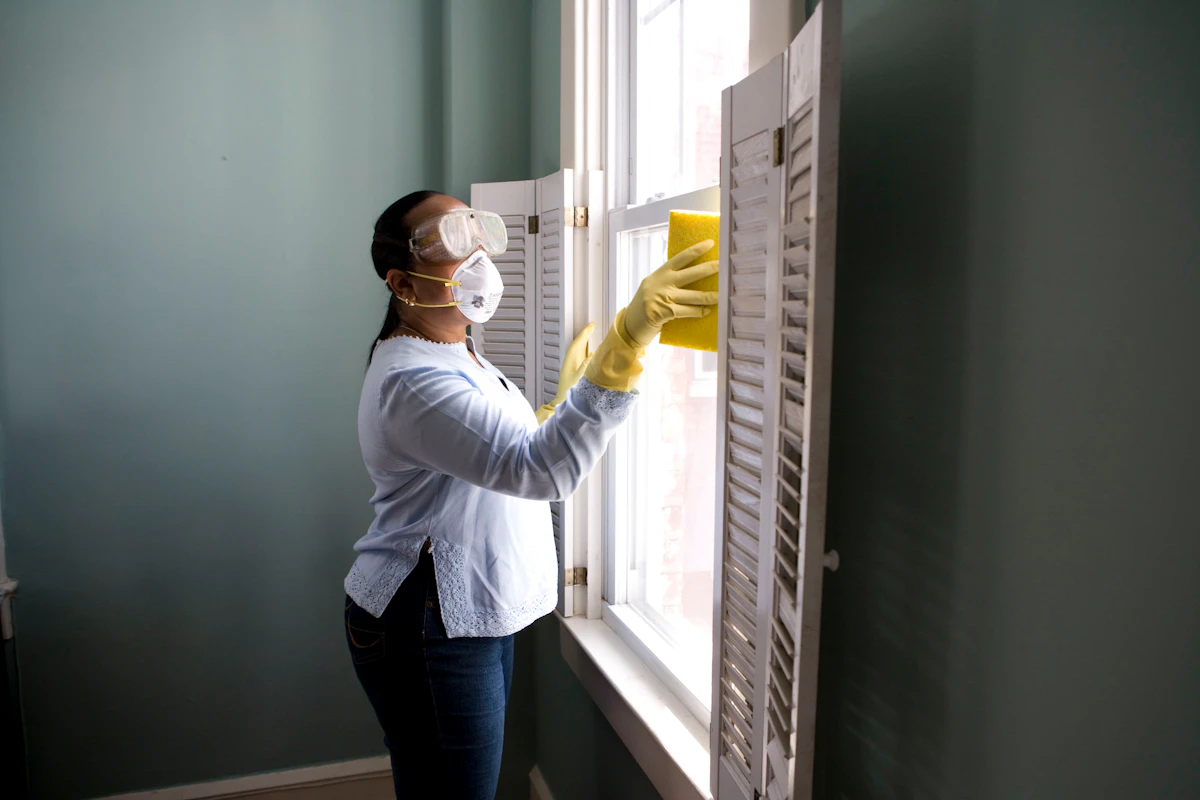
- Window cleaning (interior and exterior)
- HVAC vent and duct cleaning
- Light fixture cleaning and bulb replacement
- Pressure washing of storefront, sidewalks, and parking area
- Deep cleaning of storage and back-of-house areas
Many Oregon retailers schedule deep cleaning during slower periods — January after the holiday rush or mid-summer before back-to-school season. A professional commercial cleaning service can handle deep cleaning tasks that are beyond your team's equipment and time capacity.
Frequently Asked Questions
How much does professional retail cleaning cost in Oregon?
Professional cleaning for retail spaces in Portland, Eugene, and Salem typically ranges from $0.08 to $0.25 per square foot per visit for daily janitorial services. Deep cleaning services are priced separately, usually $0.15 to $0.40 per square foot. See our pricing page for current rates.
Should I hire a cleaning service or use my own staff?
Small stores under 2,000 square feet can often manage with staff cleaning if you provide proper training and supplies. Larger stores or multi-location retailers typically benefit from professional services that bring commercial equipment and consistent results. Our DIY vs professional cleaning comparison breaks down the tradeoffs.
How do I handle cleaning during peak shopping seasons?
Increase restroom check frequency to every hour, station an employee near the entrance with a dust mop during rainy Oregon winter months, and schedule additional spot cleaning staff during peak hours. Consider adding a mid-day cleaning shift during November and December.
What cleaning products are safe around merchandise?
Use fragrance-free, non-staining products near clothing and soft goods. Avoid aerosol sprays that can settle on merchandise. For hard surface cleaning near electronics or cosmetics displays, use damp microfiber cloths rather than spray bottles to control product placement.