Why Your Living Room Needs a Deep Clean
The living room is the most used room in most Oregon homes. It is where families gather, guests sit, pets nap, and kids play. All that activity means dust, allergens, pet dander, crumbs, and body oils accumulate in upholstery, carpets, and every horizontal surface.
A regular vacuum and dusting keeps things presentable. But every three to six months, a deep clean tackles the hidden dirt that regular cleaning misses — the dust on ceiling fan blades, the grime in couch cushion crevices, the allergens trapped deep in carpet fibers. This guide walks you through the entire process room by room.
Ceiling, Walls, and Light Fixtures
Start at the top. Use a microfiber duster with an extension pole to dust ceiling corners, crown molding, and the tops of door frames. Cobwebs collect in upper corners and are easy to miss during routine cleaning.
Ceiling fans deserve special attention — our dedicated guide on cleaning ceiling fans and light fixtures covers the best techniques. The short version: slide an old pillowcase over each blade and pull it back to capture dust without sending it airborne.
Walls develop a film of dust and fingerprints over time. Wipe high-traffic areas — especially around light switches, doorframes, and hallway walls — with a damp microfiber cloth. For scuff marks, a melamine sponge (Magic Eraser) works on most painted surfaces.
Windows and Window Treatments
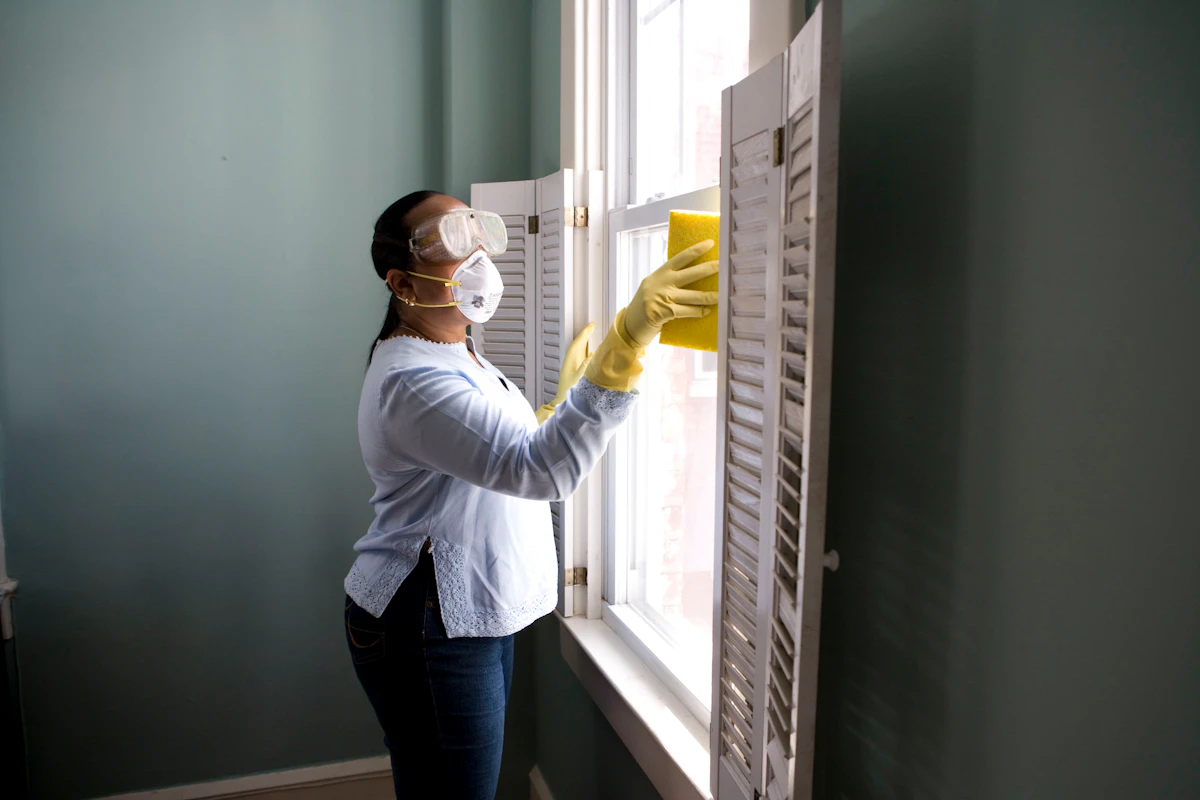
Clean windows transform a room. Start with blinds or curtains. Dust blinds slat by slat with a microfiber cloth or a blind-cleaning tool. For fabric curtains, check the care label — many can go in the dryer on a no-heat cycle to shake out dust, while others need professional cleaning.
For the glass itself, spray glass cleaner on a lint-free cloth (not directly on the window) and wipe in a Z pattern from top to bottom. Clean both sides if accessible. Our guide on cleaning windows like a pro covers streak-free techniques for every window type.
Do not forget window sills and tracks. Vacuum tracks with a crevice attachment, then wipe with a damp cloth. In Oregon, window tracks collect moisture, dead insects, and mildew during the rainy season — a deep clean here prevents damage and improves air flow.
Upholstered Furniture
Remove all cushions. Vacuum the base of the sofa or chair using an upholstery attachment, getting into every crevice and seam. You will find crumbs, coins, pet hair, and dust bunnies that regular vacuuming misses.
Vacuum both sides of every cushion. Check fabric tags for cleaning codes:
- W: Water-based cleaner is safe
- S: Solvent-based cleaner only
- WS: Either type works
- X: Vacuum only — no liquid cleaners
For spot stains, treat them individually with the appropriate cleaner. For a thorough refresh, consider having upholstered furniture professionally cleaned once or twice a year. Our guide on cleaning upholstered furniture goes deeper into fabric-specific techniques and stain removal.
Leather furniture needs a different approach — clean with a leather-specific cleaner and condition every six months to prevent cracking, especially in Oregon homes where winter heating dries indoor air.
Hard Surfaces and Shelving
Dust every shelf, surface, and decorative item. Remove items from shelves before dusting so you can clean the shelf surface completely. A damp microfiber cloth captures dust better than a dry one.
- Coffee tables and end tables: Clean the top, sides, and underneath. Glass tops need glass cleaner. Wood tops benefit from a polish after cleaning.
- Bookshelves: Dust the top edge of every book and the shelf behind them. Vacuum shelf surfaces before replacing items.
- Fireplace mantel and surround: Dust the mantel and wipe the surround with appropriate cleaner for the material (stone, brick, or tile).
- Baseboards: Run a damp cloth along every baseboard in the room. This collects a surprising amount of dust and makes the entire room look cleaner.
Electronics and Entertainment Centers
Electronics attract and hold dust with static charge. Unplug devices before cleaning. Use a dry microfiber cloth for screens — never spray liquid directly on a TV or monitor. For vents and ports on gaming consoles, sound bars, and streaming devices, use compressed air.
Pull entertainment centers away from the wall. The cable jungle behind most TV setups collects dust and pet hair. Vacuum behind the unit, organize cables with ties or clips, and wipe down the back of the furniture before pushing it back.
Carpets and Rugs
Vacuum the entire carpet slowly, making two passes in perpendicular directions to lift fibers and pull more dirt from the base. Move furniture if possible to reach areas that are normally covered.
Area rugs should be taken outside and shaken or beaten to remove deep dust. For wall-to-wall carpet, a deep clean with a carpet cleaner or steam cleaner every six to twelve months revives fibers and removes allergens. Oregon homes with pets especially benefit from regular carpet deep cleaning. Our carpet cleaning methods guide compares steam cleaning, dry cleaning, and encapsulation methods.
For specific stains, treat them before the overall deep clean. Our carpet stain removal guide covers common household stains from wine to mud.
Hard Floors
Sweep or vacuum hard floors before mopping. Different materials need different care.
- Hardwood: Damp mop with a hardwood-specific cleaner. Never use excess water — standing water damages wood. See our hardwood floor guide.
- Laminate: Similar to hardwood — minimal water, no steam mops. Our laminate floor guide covers safe cleaning methods.
- Tile: Mop with warm water and a mild cleaner. Scrub grout lines with a brush and baking soda paste.
Air Quality and Finishing Touches
After deep cleaning every surface, address the air itself. Replace HVAC filters if they are due. Vacuum air vents and returns — for a thorough approach, our guide on cleaning air ducts and vents explains what homeowners can do versus what requires professional service.
Open windows for 15 to 20 minutes after cleaning to let fresh air circulate and help any cleaning product residue dissipate. In Oregon, pick a dry day for this step.
If the deep clean feels like more than you want to tackle in one day, a professional deep cleaning service can handle the entire living room in about an hour. For ongoing help, compare the differences in our DIY versus professional cleaning guide.