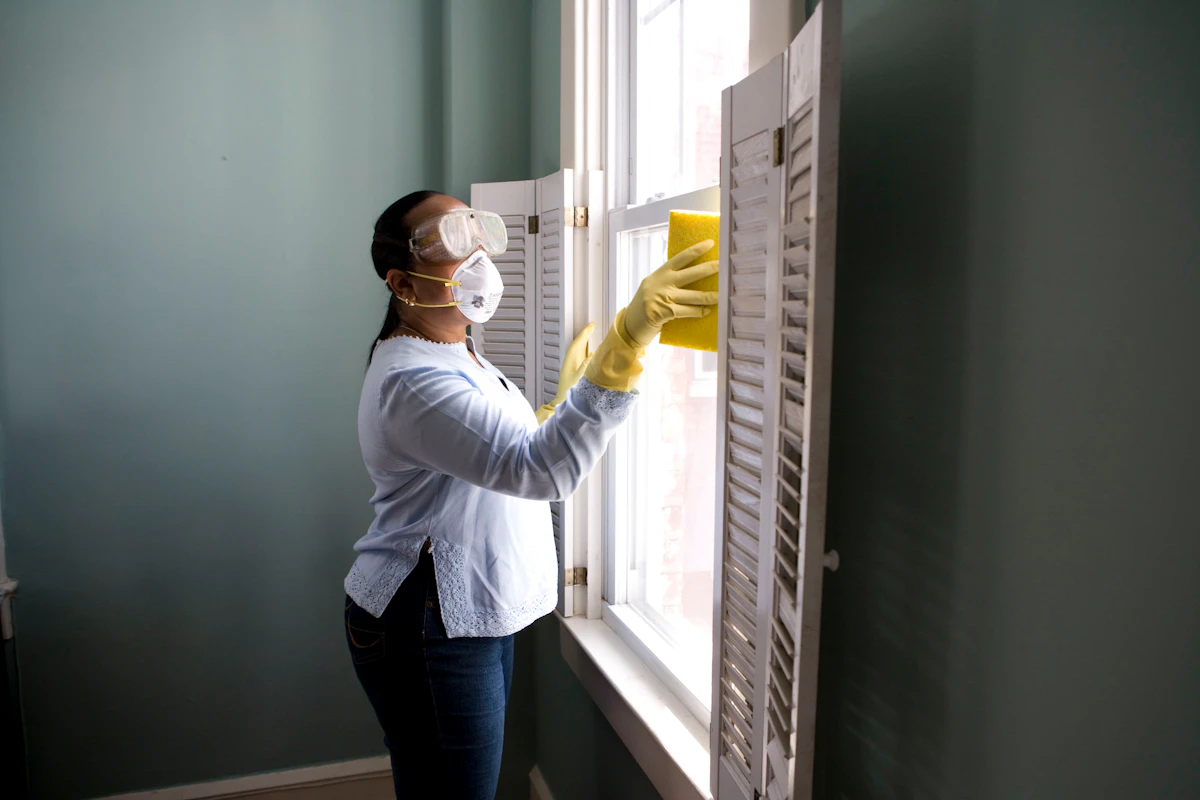
Why Post-Illness Sanitization Matters
When someone in your household gets sick — whether it is the flu, a stomach virus, COVID-19, or strep throat — pathogens spread to surfaces throughout the home. Flu viruses can survive on hard surfaces for 24 to 48 hours. Norovirus (stomach bug) survives on surfaces for days or even weeks. Without thorough sanitization after the sick person recovers, other household members remain at risk.
Oregon's fall and winter months — when homes are sealed tight against rain and families spend more time indoors — are peak illness season. Portland, Salem, Eugene, and Bend all see flu and stomach bug spikes between November and March. A systematic sanitization once the worst has passed protects the rest of the household and helps everyone get back to normal faster.
High-Touch Surfaces to Prioritize
Focus your sanitization effort on surfaces that hands contact frequently. These are the primary transmission pathways.
- Door handles and knobs (every door in the house)
- Light switches
- Faucet handles (kitchen and bathrooms)
- Toilet flush handles
- Refrigerator and microwave handles
- Cabinet and drawer pulls in kitchen and bathroom
- Stair railings
- Remote controls, game controllers
- Phones, tablets, keyboards, and mice
- Countertops where food is prepared
- Thermostats
Most people clean the obvious surfaces but forget less apparent ones — the flush handle, the microwave buttons, the thermostat, and the refrigerator door handle. These are touched multiple times daily by every member of the household.
Disinfection Methods That Work
There is an important difference between cleaning and disinfecting. Cleaning removes dirt and some germs. Disinfecting kills germs on a surface. For post-illness sanitization, you need to do both — clean first, then disinfect.
EPA-Registered Disinfectants
Use products that are EPA-registered as disinfectants. Look for the EPA registration number on the label. The product must stay wet on the surface for the contact time listed on the label — usually 3 to 10 minutes — to be effective. Spraying and immediately wiping does not kill pathogens.
Bleach Solution
Mix four teaspoons of bleach per quart of water. This solution is effective against most viruses and bacteria. Apply to surfaces, leave wet for 10 minutes, then wipe dry. Make fresh solution daily — bleach loses potency after mixing.
Hydrogen Peroxide
3 percent hydrogen peroxide (the common drugstore concentration) is effective against many pathogens. Spray directly on surfaces and let it sit for one minute. No rinsing needed on most surfaces. A good option for households that prefer to avoid bleach, and it works well with eco-friendly cleaning approaches.
What Does NOT Work
- Vinegar alone (insufficient against most viruses)
- Essential oils (not proven to disinfect at household concentrations)
- Quick-wipe with any product (contact time matters)
Room-by-Room Sanitization
The Sick Room
Start with the room where the sick person spent most of their time. Disinfect every hard surface — nightstand, headboard, bedside lamp switch, phone charger area, and doorknobs. Strip the bed and wash all bedding in hot water. Vacuum the floor and any upholstered furniture in the room. Open a window for 15 to 20 minutes to air the room out.
Bathrooms
If the sick person used a shared bathroom, give it a thorough disinfection. Focus on the toilet (entire exterior, handle, and bowl), sink faucet handles, countertop, toothbrush holder, and towel bars. Replace the sick person's toothbrush. Wash all used towels in hot water. For a complete bathroom approach, see our bathroom deep clean guide.
Kitchen
Disinfect countertops, sink handles, appliance handles, and the dining table. Wash any dishes the sick person used in the dishwasher on the highest heat setting. Disinfect sponges by microwaving them damp for one minute or running them through the dishwasher.
Common Areas
Disinfect remote controls, light switches, arm rests on couches (if hard surface), and any shared electronics. For upholstered furniture the sick person used, a fabric-safe disinfectant spray or a steam cleaner can treat soft surfaces.
Laundry and Soft Goods
- Bedding and towels: Wash in the hottest water the fabric allows. Use regular detergent plus a laundry sanitizer additive if available.
- Clothing worn during illness: Same as bedding — hot water, regular cycle.
- Stuffed animals and soft toys: Machine wash if possible. For items that cannot be washed, seal in a plastic bag for 48 hours (most viruses become inactive in this time).
- Pillows: Most pillows can go through the washer on a gentle cycle and dryer on low heat. Check the label.
Wear gloves when handling contaminated laundry. Do not shake dirty laundry — this disperses viral particles into the air. Place directly into the washer.
Air Quality and Ventilation
Pathogens circulate in the air as well as on surfaces. Improving ventilation during and after illness reduces airborne transmission.
- Open windows for at least 15 minutes in each room if weather permits. Cross-ventilation (windows on opposite sides of the house) is most effective.
- Run HVAC with a fresh filter. Replace the filter at the start of illness and again after recovery. A MERV 13 filter captures most respiratory droplets and virus-carrying particles.
- Portable air purifier: A HEPA air purifier in the sick room captures airborne particles. Run it continuously during illness and for 24 hours after.
- Bathroom exhaust fans: Run during and after any bathroom use by the sick person. This directs contaminated air outside rather than letting it circulate into other rooms.
When to Hire a Professional
DIY sanitization handles most post-illness situations effectively. Consider hiring a professional deep cleaning service when:
- Multiple household members were sick and the entire home needs sanitization
- You do not have the energy to do a thorough cleaning after being sick yourself
- The illness was severe or prolonged and surfaces were not maintained during it
- You want the peace of mind that comes with a professional, systematic approach
Many Oregon cleaning services offer post-illness sanitization packages that include hospital-grade disinfectants and systematic high-touch surface treatment. Our house cleaning cost guide includes pricing for specialized cleaning services in the Portland, Salem, and Eugene markets.